Nurse Calling System: What It Means, How It Works, and Why It Matters in Modern Senior Care

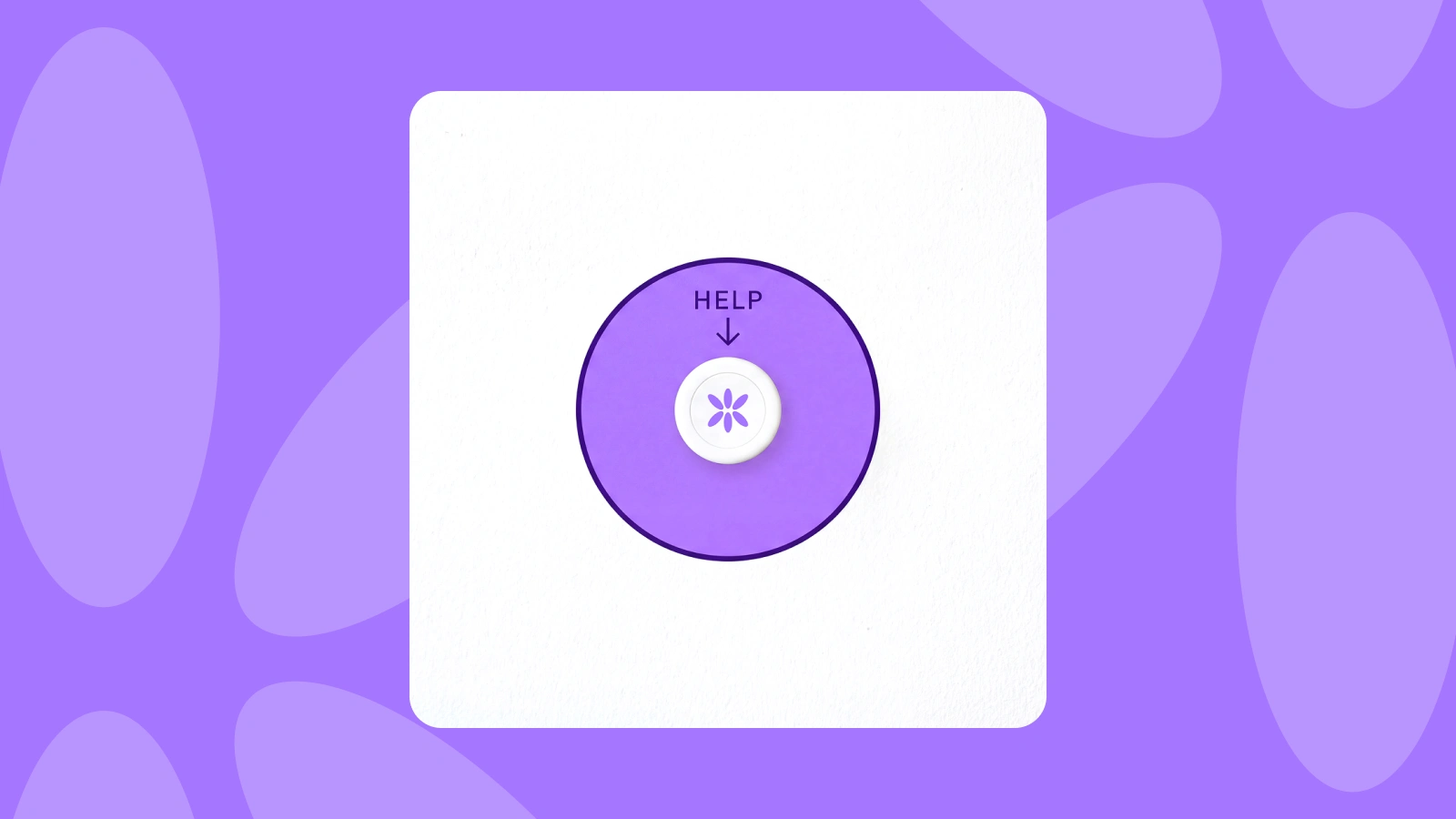
“Nurse calling system” ... “call light” ... “nurse buzzer”
What do these terms actually mean? And how have they evolved beyond a simple button?
This guide of Frequently Asked Questions breaks it down.
What is a nurse calling system?
A nurse calling system (more commonly called a nurse call system) is a communication system that allows residents to request help from caregivers.
At its core, it creates a direct line between someone who needs care and someone who can provide it.
In traditional setups, this might be:
- A button by the bed
- A pull cord in the bathroom
- A light or alarm at the nurse station
In modern systems, it’s much more:
- Mobile alerts to caregivers
- Real-time tracking of response times
- Integration with care workflows and documentation
Is “nurse calling system” the same as “nurse call system”?
Yes—functionally, they refer to the same thing.
But there’s an important nuance:
- “Nurse call system” → industry-standard term
- “Nurse calling system” → commonly used variation in search and conversation
You’ll also hear:
- Call light system
- Resident call system
- Nurse alert system
All describe the same core function: enabling residents to call for help quickly and reliably.
How does a nurse calling system work?
While technology has evolved, the basic workflow remains consistent:
- A resident initiates a request
- Presses a button, pulls a cord, or triggers a sensor
- The system sends a signal
- Through wired, wireless, or IP-based infrastructure
- Care staff receive the alert
- At a nurse station, on a mobile device, or both
- The call is acknowledged and resolved
- Often tracked and documented automatically
This process is the backbone of responsive care delivery—and one of the most critical systems in any healthcare environment.
What are the key components of a nurse calling system?
Most systems include a combination of:
1. Resident-facing devices
- Bedside buttons
- Pull cords
- Wearable pendants
2. Communication infrastructure
- Wired or wireless networks
- Room control units or base stations
3. Staff notification tools
- Nurse station dashboards
- Mobile devices or pagers
4. Alerting systems
- Corridor lights
- Audible alarms
Together, these elements form a community-wide communication network connecting residents and caregivers.
What’s the difference between traditional and modern nurse calling systems?
Traditional systems
- Hardwired into the building
- Button → light → nurse response
- Limited visibility into what happens after the call
Modern systems
- Wireless or hybrid
- Alerts sent directly to caregivers’ devices
- Include analytics, tracking, and integrations
- Support proactive care (not just reactive response)
Traditional systems rely on residents to ask for help. Modern systems increasingly identify when help is needed—even before a call is made.
What does a modern, insight-driven nurse calling system look like?
Most nurse calling systems today still operate as communication tools.
But the next generation of systems—like Sage’s wireless nurse call platform—go further by connecting communication directly to care delivery, workflows, and operational insight.
One platform, not multiple disconnected systems
In many communities, staff rely on a patchwork of tools:
- A nurse call system for alerts
- A separate system for documentation
- Another for reporting or analytics
Sage brings these together into one unified platform, where:
- Calls for help
- Care delivery
- Documentation
- Operational data
…are all connected in real time.
This reduces fragmentation and gives teams a clearer picture of what’s actually happening throughout the day.
Book a demo to see how Sage's modern, wireless system works.
Why are nurse calling systems so important?
Because they directly impact:
1. Resident safety
Immediate access to help reduces risks like falls and unattended emergencies.
2. Response times
Faster communication = faster care delivery
3. Staff coordination
Clear, routed alerts reduce confusion and inefficiency
4. Resident experience
Residents feel safer when help is always within reach
In many cases, regulations even require that residents have access to a call device at all times.
What should you look for in a modern nurse calling system?
If you’re evaluating options, focus on capabilities—not just hardware.
Look for:
- Mobile-first workflows (not just central dashboards)
- Real-time visibility into response times
- Integration with EHRs and care systems
- Scalability across levels of care
- Ease of use for frontline staff
The biggest shift? From systems that simply notify to systems that actually improve care delivery.
How is a nurse calling system different in senior care vs. hospitals?
While the core function is the same, the needs are different.
In hospitals:
- High acuity, rapid turnover
- Focus on clinical urgency
In senior care:
- Ongoing, relationship-based care
- Higher focus on fall prevention, response time consistency and staffing efficiency
That’s why modern systems in senior care must go beyond alerts—into workflow optimization and visibility.
What is the future of nurse calling systems?
The term “nurse calling system” may sound simple—but the technology is anything but.
We’re moving toward systems that:
- Detect risk proactively (not just respond)
- Provide actionable insights to operators
- Connect communication with actual care delivery
In other words:
The future is about so much more than calling for help. We are relentless working to make sure help is proactive; not just reactive.
Final thoughts
Whether you call it a nurse calling system or a nurse call system, the goal is the same:
Make sure every request for help is heard—and acted on.
But the best systems today do more than just connect people. They close the gap between need and care.