Why Workflow—Not Features—Drives Better Outcomes in Senior Living Technology

After 27 years in Senior Living (beginning as a caregiver, becoming a nurse, and eventually leading operations teams across communities) I’ve learned something important: The success of technology in Senior Living is not determined by how many features it has. It’s determined by whether caregivers will actually use it consistently, confidently, and naturally in real care delivery.
That sounds simple. But it’s not.
Caregivers are balancing dozens of responsibilities every shift. They are moving quickly, responding emotionally, prioritizing resident needs in real time, and often working under staffing pressure. The last thing they need is another cumbersome system that slows them down, pulls them away from residents, or feels disconnected from the actual flow of care.
Any technology that doesn’t fit naturally into the rhythm of caregiving eventually becomes friction. And in Senior Living, friction impacts everything.
That’s why caregiver workflow matters more than almost anything else. And it’s why Sage’s new bi-directional Tasking solution is uniquely positioned to deliver meaningful impact for care teams.
Built for the Caregiver, Not Just the Checklist
One of the things that immediately stood out to me when I first encountered Sage years ago was the simplicity of the experience.
The interface felt intuitive. The workflow made sense. The technology adapted to caregivers instead of forcing caregivers to adapt to technology. It wasn’t about layering on shiny add-on features. It was about creating one synchronized system that felt natural to use.
That distinction matters more than people realize.
Caregivers already live on their phones. That is their language. A lightweight, intuitive mobile experience matters because it fits naturally into how teams already communicate and operate. It goes in a pocket. It moves with them. It allows real-time documentation while care moments are still fresh and actionable.
And when documentation happens in real time, everything improves:
- Communication improves
- Accountability improves
- Shift transitions improve
- Visibility improves
- Resident responsiveness improves
- Operational insight improves
Most importantly, caregivers get time back. That is one of the most overlooked opportunities in Senior Living technology today.
Enter Tasking
Just recently, Sage launched Tasking, designed to solve one of the biggest operational disconnects in Senior Living: the gap between planned care, unplanned care, and real-time caregiver communication.
Historically, caregivers have had to move between multiple systems: one place to view assignments, another to document care, another to communicate updates, and sometimes yet another to review resident information. Every extra click, login, or workflow handoff creates friction.
And in caregiving, friction matters.
Instead of asking caregivers to log planned care at the end of a long shift, Sage created a connected workflow experience that brings documentation in at point-of-care. This integration allows caregivers to view assignments, document care, respond to resident needs, and communicate updates in one unified mobile experience that mirrors the natural flow of care delivery.
What makes this especially impactful is that it supports both structure and flexibility at the same time. Planned tasks remain visible and organized, while caregivers can also respond dynamically to the unplanned moments that inevitably happen throughout the day.
That balance is critical in Senior Living, where care priorities can shift minute by minute and teams need technology that adapts alongside them.
The numbers reflect that approach. Sage carries a 90% caregiver engagement rate. That level of adoption doesn’t happen with tools that feel like a burden. It happens when technology genuinely fits the way caregivers work.
When technology feels intuitive, caregivers use it.
Real-Time Care Requires Real-Time Workflow
Care does not happen in static moments. Resident conditions change. Needs evolve. Priorities adjust throughout a shift. Communities need visibility into both planned and unplanned care activity in real time.
What makes Sage is the connected workflow experience that allows caregivers to move seamlessly through the resident profile, document quickly, communicate updates, and complete workflows without feeling like they are navigating multiple disconnected systems.
The experience feels natural because it was designed with operational reality in mind.
And when technology becomes second nature instead of a burden, adoption changes dramatically.
As someone who has led caregivers, nurses, executive directors, and operations teams, I can confidently say this:
If the caregiver experience is not exceptional, the technology will never fully succeed, no matter how technologically advanced the platform is.
And after spending nearly three decades in this industry, I believe that matters more than ever.
------
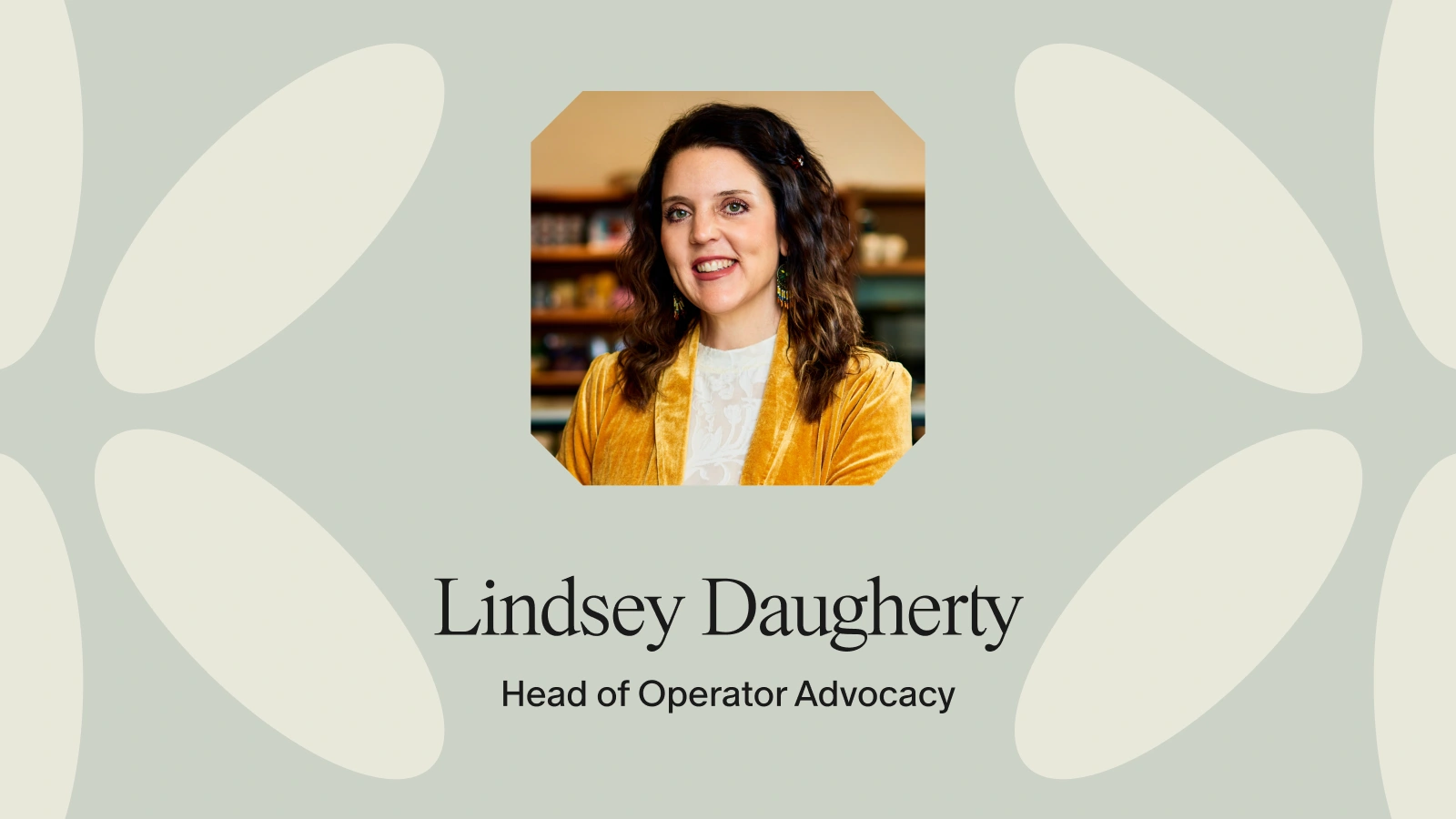
With more than 26 years in Senior Living, Lindsey Daugherty brings a rare blend of operational, clinical, and marketing expertise shaped by experience across every level of care—from caregiver to executive leadership. Now serving as Head of Operator Advocacy at Sage, she is helping reimagine long-term care operations through technology, data, and human-centered strategy. Lindsey is passionate about empowering care teams, improving resident outcomes, and helping operators use real-time insights to strengthen both quality of care and business performance.
.jpg)