Wired Nurse Call Systems: Why It’s Time to Move Beyond Outdated Infrastructure

For decades, wired nurse call systems were considered the gold standard in senior care communities. Hardwired buttons, wall panels, and centralized control boards once represented reliability and safety.
Today, however, wired nurse call systems are increasingly seen for what they are: expensive, inflexible, and antiquated infrastructure that struggles to keep pace with the realities of modern senior care.
If your community is still operating a wired nurse call system, it may be time to ask a critical question: Is your infrastructure helping your staff—or holding them back?
What Are Wired Nurse Call Systems?
Wired nurse call systems rely on physical cabling installed throughout a building. Each resident room, bathroom, and common area is connected through low-voltage wiring to a central panel or server. When a resident presses a call button, a signal travels through these wires to alert staff.
At the time of installation—often 10, 20, or even 30 years ago—this design made sense. But today’s operational demands are very different:
- Higher resident acuity
- Greater documentation requirements
- Increased staffing challenges
- Stronger expectations for response times
The rigidity of wired nurse call systems makes adapting to these realities difficult… and costly.
The Hidden Limitations of Wired Nurse Call Systems
1. Infrastructure That Can’t Evolve
Every expansion, renovation, or layout change requires new wiring, wall access, and physical labor. That means:
- Construction downtime
- Resident disruption
- High capital expenses
- Delays in upgrades
In contrast, modern systems allow for flexibility without opening walls or pulling cable.
2. Expensive Repairs and Maintenance
Wiring degrades. Connections fail. Panels age.
When something goes wrong in a wired nurse call system, troubleshooting can be complex and time-consuming:
- Technicians must trace wiring paths
- Replacement parts may be obsolete
- Downtime impacts resident safety
Many communities discover they’re investing heavily just to keep outdated technology operational.
3. Limited Data and Reporting
Traditional wired nurse call systems were built to signal alerts — not to provide actionable data.
Modern senior living operations require insights such as:
- Response time analytics
- Call volume trends
- Staff performance data
- Compliance reporting
Most legacy wired systems were never designed to support this level of intelligence.
4. Poor Integration with Modern Care Technology
Today’s communities increasingly rely on:
- Electronic health records (EHR)
- Mobile communication devices
- Real-time location systems (RTLS)
- Predictive analytics tools
Wired nurse call systems typically operate as standalone hardware, siloed from the rest of your tech stack. That disconnect creates inefficiencies and prevents leadership from seeing the full operational picture.
Why Wireless Is the Future of Nurse Call Systems
The shift away from wired nurse call systems isn’t just about convenience — it’s about operational transformation.
Wireless nurse call technology eliminates the physical constraints of hardwired infrastructure while delivering modern capabilities:
- Mobile alerts directly to staff devices
- Cloud-based reporting and analytics
- Faster installation and deployment
- Scalability without construction
- Easier integration with other platforms
For communities focused on improving resident satisfaction and staff efficiency, wireless systems offer a clear path forward.
The Financial Case for Replacing Wired Nurse Call Systems
At first glance, replacing a wired nurse call system may feel like a capital expense. But consider the long-term cost of keeping one:
- Ongoing maintenance and nurse call system repair
- Lost productivity from inefficient workflows
- Higher response times impacting satisfaction scores
- Inability to leverage data for operational improvements
Communities that modernize often see:
- Reduced maintenance costs
- Improved staff responsiveness
- Stronger compliance documentation
- Better occupancy and reputation outcomes
When viewed through an operational lens, upgrading is often less about cost and more about competitive positioning.
Is It Time to Move On from Wired Nurse Call Systems?
If your community is experiencing:
- Frequent service calls
- Limited reporting capabilities
- Difficulty expanding or renovating
- Slow response workflows
- Rising maintenance costs
…it may be time to evaluate alternatives.
Modern wireless nurse call solutions are not just upgrades—they’re strategic investments in care quality, operational efficiency, and long-term scalability.
The question is no longer whether wired nurse call systems still work.
The question is whether they’re working for you.
A Smarter Alternative: Sage’s Wireless Nurse Call System
Communities looking to replace outdated wired nurse call systems need more than just a cable-free version of the same legacy technology. They need a system built for today’s operational realities.
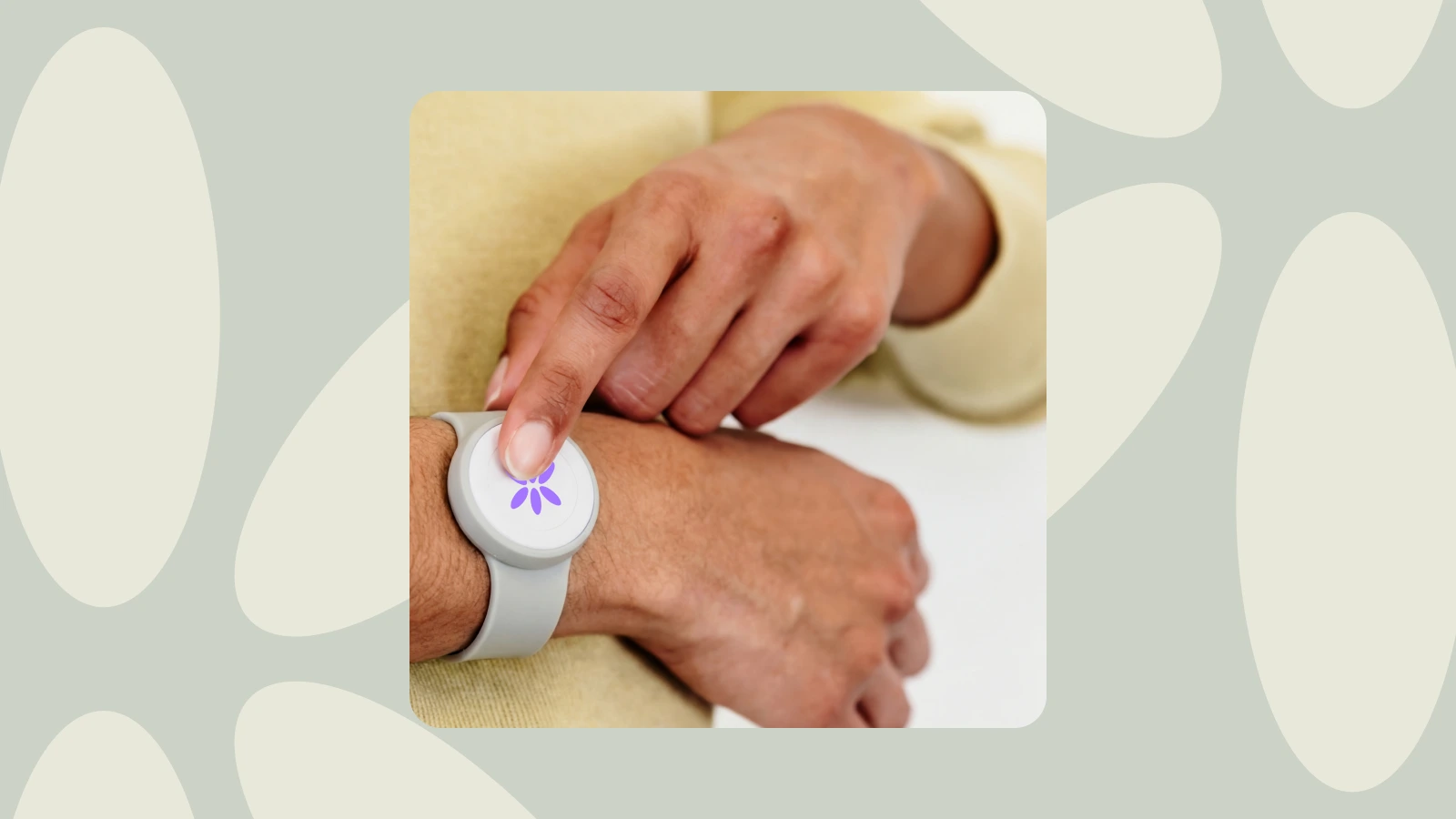
Sage’s wireless nurse call system was designed specifically for modern senior care environments, where mobility, visibility, and data matter just as much as alert delivery.
Unlike traditional wired nurse call systems that rely on fixed wall panels and centralized hardware, Sage’s solution is:
Fully Wireless and Cloud-Based
No wall demolition. No rewiring. No costly infrastructure upgrades. Communities can deploy quickly and scale easily.
Mobile-First for Staff
Alerts are delivered directly to caregivers on mobile devices, reducing overhead paging and minimizing response delays. Staff can acknowledge, escalate, and document calls in real time.
Built-In Analytics and Reporting
Where wired nurse call systems stop at alerting, Sage goes further. Communities gain access to actionable data including:
- Response time tracking
- Call frequency trends
- Staff workload insights
- Compliance-ready reporting
This level of visibility empowers leadership teams to identify bottlenecks, improve workflows, and demonstrate accountability.
Designed for Integration
Sage integrates seamlessly with other senior care technologies, including EHRs, eliminating the silos that plague many wired nurse call systems. The result is a connected ecosystem that supports better care coordination.
Why Communities Are Making the Switch
Communities that transition from wired nurse call systems to Sage’s wireless platform often report:
- Faster response times
- Improved staff satisfaction
- Reduced maintenance headaches
- Greater operational transparency
In a market where resident safety and staff efficiency directly impact reputation and occupancy, modernizing your nurse call infrastructure is more than a technology decision. It’s a strategic one.
Book a demo to get an inside peek at how our unified Care Platform with a wireless nurse call system would work for you.
.jpg)