.jpg)
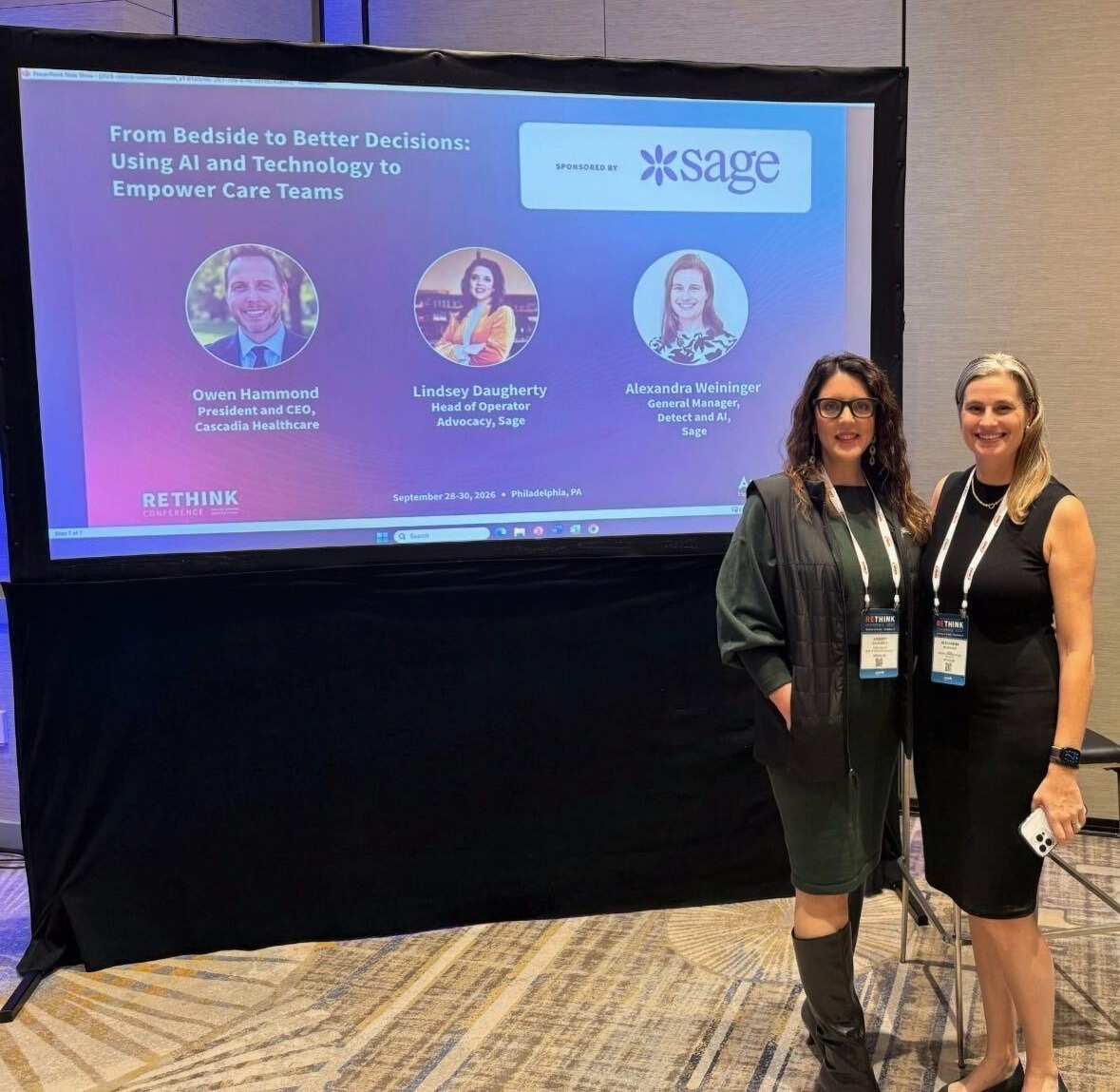
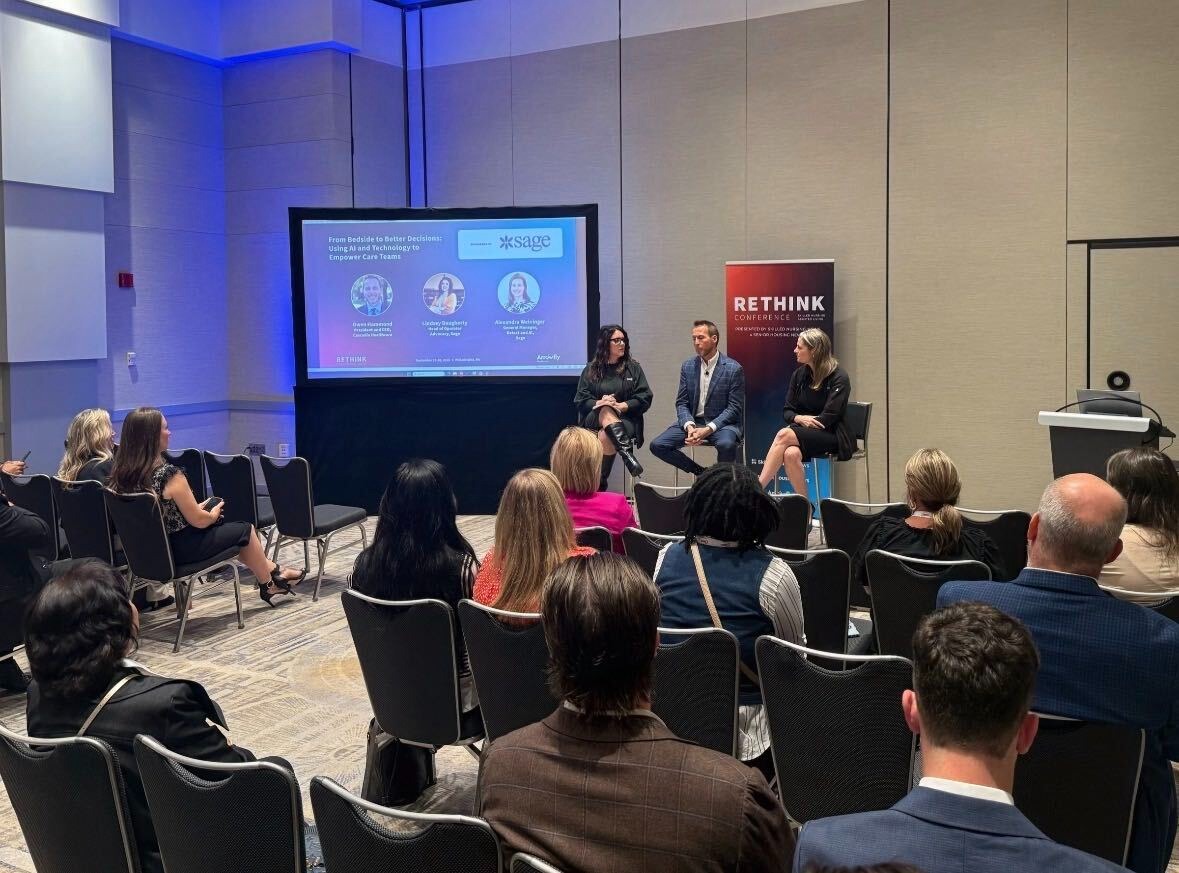
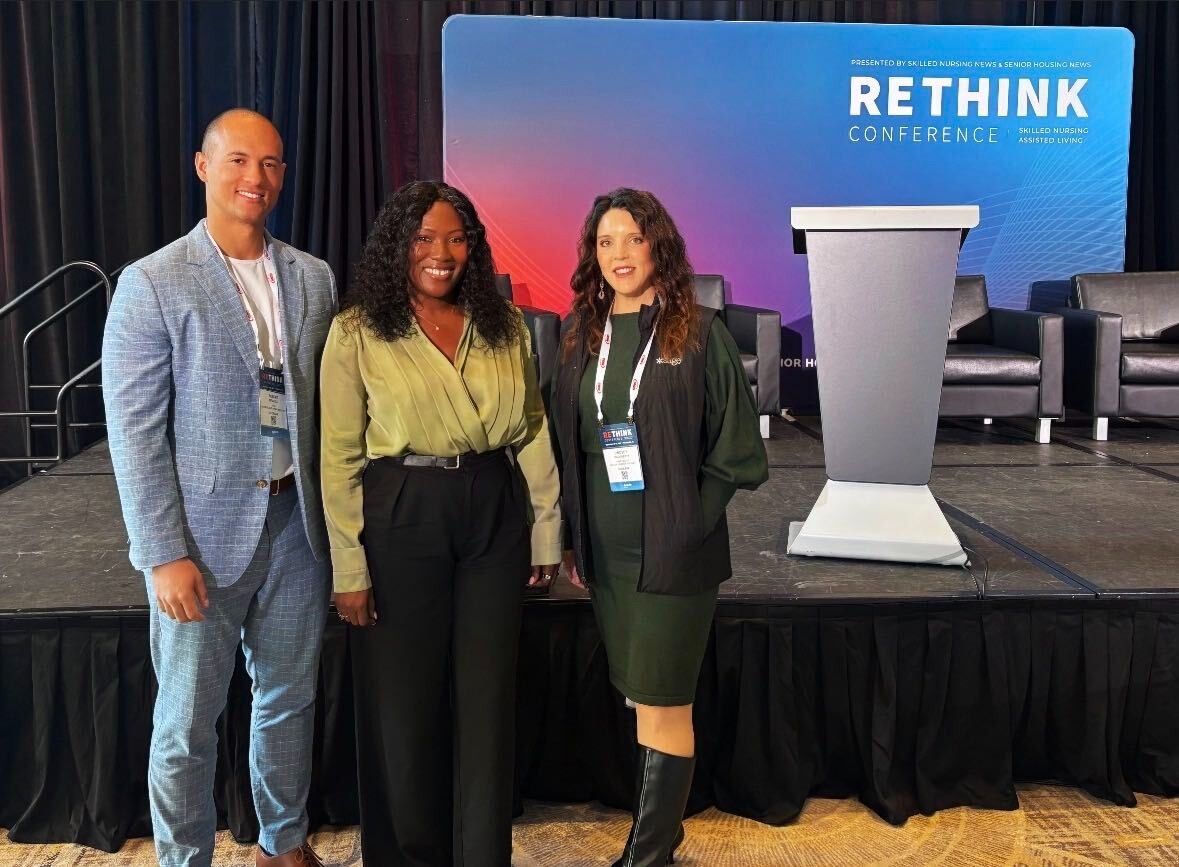
On September 29, Sage joined Skilled Nursing News' RETHINK Conference for "From Bedside to Better Decisions: Using AI and Technology to Empower Care Teams." Lindsey Daugherty, Head of Operator Advocacy at Sage, moderated a conversation with Owen Hammond, CEO and Chairman of Cascadia Healthcare, and Alexandra Weininger, General Manager of Detect & AI at Sage. Here is a look at what we heard and where the conversation goes next.
Owen Hammond remembers running buildings when charting was done on paper. If a resident fell or declined overnight, the team often did not hear about it until the morning report. By then, the chance to step in had passed. Closing that gap was a theme throughout our session in Philadelphia.
The gap between an event and awareness
Owen opened with a memory from his years running buildings. The 24-hour report in the morning, or the phone call in the middle of the night, was often how a team learned what had happened. Time is precious in care, and as resident acuity rises, it matters even more.
He described what the alternative looks like. A CNA starts a shift already knowing what happened overnight, which residents have new diagnoses or medication changes, and who may be at risk of a fall. They can plan their rounds around it. That is the difference between reacting to care needs and anticipating them.
Information, not surveillance
Owen recalled a CNA who said they would quit when his community moved to electronic records. Within weeks, they changed their mind. His point was that care teams embrace technology once they see it exists to inform them, not to watch them. Better information helps them do what they came to do, which is take care of residents.
Both panelists said AI should work the same way. It can surface patterns and risks, but clinical judgment stays with clinical professionals.
"None of the AI stuff that we're talking about is actually just automatic." - Owen Hammond, CEO and Chairman, Cascadia Healthcare
Start with the workflow
With so many new tools competing for attention, Owen and Alexandra encouraged leaders to begin with the workflows they already have. Which ones work well? Which ones do not? Technology should support the first group and solve for the second, not add another task to the day.
The surest way to get there is to involve the people doing the work. Owen noted that some of the best ideas come from the floor, and that every building and every Director of Nursing manages differently. Alexandra added that transparency matters on the vendor side. When teams understand how a tool works, what data it uses, and where it may create friction, trust follows.
Questions to ask about any AI tool
As AI evolves quickly, the panelists shared a few questions to ask before bringing a new tool into a community:
- Is it HIPAA compliant? Resident information must be protected.
- Is there a Business Associate Agreement (BAA)? Owen noted that the agreement should make clear how data is used.
- How is data stored and deleted? Know where resident information goes and who can see it.
- Has an outside party verified the vendor? Alexandra pointed to third-party verification as an added layer of confidence, especially with newer companies.
Wearables: keep it simple
An audience question turned to wearables, and Alexandra offered practical advice. Have a clear plan for charging before deploying anything, because a device that is not charged cannot help anyone. For life safety, simpler is better.
"The simpler a device is, the more reliable it is." - Alexandra Weininger, General Manager, Detect & AI, Sage
She also encouraged teams to ask where the data goes. Sage connects with widely used EHRs, including PointClickCare, so each wearable ties back to the right resident record, and that information feeds Sage Insight. Owen added that if data needs to live in an official medical record, the tool capturing it must be built for that purpose.
Turning data into action
Lindsey's final question may have been the biggest of the session: how do we turn point-of-care information into meaningful action, rather than more data to manage?
Owen compared AI to a pair of reading glasses. The information is already in front of you, but the right lens brings it into focus. For his team, that means keeping attention on what matters most: helping residents avoid falls, infections, and medication errors.
Looking ahead
These conversations reinforce what we heard days earlier at Sage Shift: the people closest to care should help shape the technology they use. Empowering care teams starts with listening, building around real workflows, and being open about how our tools work.
Thank you to Owen, Cascadia Healthcare, Alexandra, Lindsey, Skilled Nursing News, and everyone who joined us in Philadelphia. We will keep listening.